Left-pointing white chevron arrow on a transparent background.
Back to article listing
Articles

Fight Back Against Fraud: How To Prepare For Holiday ECommerce Scams In 2020

May 19, 2022
By-
Rahul Gedupudi


The holidays are the #1 time of year for eCommerce fraud. According to Consumer Reports, the first twenty days of November 2019 resulted in over 60,000 potential scams in the U.S., targeting 26 popular brands. 

There are two reasons for this. The first is that hackers aim to leverage the massive amount of holiday eCommerce transactions to their benefit. It's difficult for many companies to detect fraud amongst the volume. The second relies on human error: customers scouring the internet for good deals (especially around Black Friday or Cyber Monday) are more likely to fall for fake sellers offering too-good-to-be-true discounts.

Signifyd Inc., a leader in eCommerce fraud protection, predicts the 2020 holiday season to be noisier than ever before. "COVID-19 will no doubt discourage shoppers from heading into brick-and-mortar stores, leading them to shop more online," says Stefan Nandzik, Vice President of Product and Brand Marketing. "Our data shows that eCommerce spending in some categories more than doubled at times during the pandemic compared to pre-pandemic sales, and overall online spending has consistently remained 50% above spending a year ago." When it comes to fraud, the chaos of the upcoming 2020 season provides an even broader opportunity for bad actors. 

Start Preparing Now

Our advice to merchants is to start preparing six months in advance. Creating and implementing a successful anti-fraud strategy proactively is a stellar way to mitigate the fraud risks and ensure a smoother holiday sales season.

The lowest hanging fruit is to perform any upgrades on your platforms (eCommerce, hosting, ERP, etc.) because these upgrades include security patches and releases. Then, take a hard look at your current fraud detection capabilities and ask yourself if it's time for an update there as well. Start with the type of fraud that worries you the most, then research which fraud prevention software may be best suited to address that specific threat. 

For example, machine learning-based fraud detection systems analyze customer data to identify unusual user behavior fitting the profile of known fraudulent activity. Alerts are shared with the merchant so they can take steps to shut it down. This type of fraud prevention is especially useful when it comes to what we call "friendly fraud."

"A learning machine can sift legitimate from fraudulent orders instantaneously. The solution automates the order flow, so that good orders go straight to shipping. Furthermore, the guarantee fully reimburses the retailer for any approved order that later turns out to be fraudulent," says Nandzik. "Not surprisingly, at Signifyd, we believe a machine-learning solution with a financial guarantee is the best way to tackle the holiday fraud challenge."

Friendly Fraud

Contrary to the name, friendly fraud is anything but. It is the root cause of over 70% of eCommerce fraud losses, according to Chargeback.com. It occurs when a cardholder disputes a legitimate purchase. What becomes tricky is figuring out if it's just an innocent mistake, or a malicious attempt to steal from your company. 

One of the most common scams is a buyer falsely claiming with the merchant that their "item was not received" (INR). This type of fraud involves no hacking whatsoever. After making an INR claim, bad buyers are given the benefit of the doubt and awarded a refund or a replacement. This way, they obtain two items for the price of one. 

These scammers may also utilize chargeback fraud, in which they contact the credit card company and plead the same sob story of the missing package. If the bank issues the customer a chargeback, it's up to the merchant to prove the chargeback was fraudulent if they want to recoup the loss.

What You Can Do To Address It

Friendly fraud is one of the trickiest things to prevent against because if you accuse a customer of fraud, and it's just a "false positive" (the customer seems like they are committing fraud, but it's a misunderstanding), you can lose that customer and by extension, your reputation. 

Here are a few best practices to follow to prevent Friendly Fraud: 

  • Keep Detailed Transaction Records: Store purchase history information such as the details of when, where, and how a purchase was delivered or activated. Merchants can offer customers the necessary information to jog memories regarding the legitimacy of a transaction.
  • Create Household Profiles: Using historical data, Merchants can create "household" profiles that include customer purchasing habits, preferred devices for shopping, and even device IP addresses. This data increases the likelihood of winning a chargeback dispute.
  • Return and Refund Policies Should Be Clear and Easy to Find: Include links to easy-to-understand return and refund policies on your website. Customers are less likely to initiate disputes when you ensure these policies get seen in prominent locations. It also protects you when you conflict with your payment processor over a chargeback.

Account Takeover Fraud

Account takeover fraud occurs when the fraudster uses a piece of someone else's identity, such as their Social Security number, email accounts, or credit card numbers to take over the identity of a genuine customer and gain access to their accounts. Any online login could be taken over by fraudsters, including eCommerce accounts, subscriptions, banks, credit cards, emails, and so on. Depending on the attack, they may change the account details, then use the account to order goods, or sell the account data elsewhere. 

What You Can Do To Address It

The best way to prepare is by knowing the signs an account has been taken over by a rogue actor. Look for multiple failed login attempts or multiple logins from new devices. Signifyd, an e-Commerce fraud protection firm, offers these broad recommendations for fending off bad actors:

  • Unique Transaction Signatures: Create unique transaction signatures using data such as account numbers, transaction amounts, and time stamps. These signatures are difficult to fake, and they create digital trails for fraud investigators to follow, 
  • Enable Two-Factor Authentication (2FA): This increases the safety of online accounts by requiring two types of personal information from the user before they can log in. Many companies stand by 2FA as the best defense against most hackers, with good reason. According to a 2019 Google security study, 2FA prevents 100% of account takeovers by bots and is 96% effective at shutting down phishing attacks.
  • Risk Analytics: During an account takeover, risk analytics can pinpoint atypical account behavior and trigger an emergency authentication process that will immediately put a stop to flagged transactions. 

Hijacked Shipping Accounts

Determined thieves can steal shipping account number to divert large shipments from merchants to wherever they want. Once these account numbers can be accessed, they are often used in the same manner as stolen credit cards and resold on the dark web. Hackers target all sizes of businesses. They're looking for vulnerabilities and seeing how diligently the shipping accounts are monitored. Hackers also use fake shipping invoices to trick recipients into wiring money to the fraudster.

What You Can Do To Address It

A dependable way to prevent hijacked shipping account numbers is to implement a central shipping management system that includes these features:

  • The ability to make account numbers accessible only to specific and trustworthy employees.
  • A reporting system that allows these users to schedule pickups and track packages regularly.
  • A tracking system that cross-references user activity with shipping order activity to determine any suspicious behavior.

A Special Message To Users Of Magento 1

If you are a merchant on Magento 1 (M1) and you haven't already begun planning for the platform's end-of-life (EOL) in June 2020, you need to start now. EOL means all online stores deployed on Magento 1 will no longer have access to new features, new security patches, functionality updates, and support from Magento. Your online store will remain functional but become more vulnerable to bugs and security breaches. 

General security vulnerabilities tend to increase t longer software is unsupported as hackers continue to use new technologies and techniques for exploitation. This increases the possibility of exposing personally identifiable customer data, which in turn can destroy an eCommerce company's reputation. 

This is not the time to be taking any chances on cybersecurity. Hackers around the country take advantage of the holidays to increase phishing and cyberattacks. These attacks are likely to increase, given the fact that the M1 EOL timeline is well-known and widely publicized. We recommend migrating to a new platform after June 2020 and receiving regular support and security updates from the software provider. 

Top Takeaway

Tracking down evidence of fraud (whether it's wire-fraud or shipping) takes time and effort. However, shipping scams can be a legitimate threat to merchants, their customers, reputation, and profits. That's why it's of dire importance to begin preparing as soon as possible. 

Fraud protection companies like Signifyd dedicate themselves to creating software that identifies and alerts users to fraudulent activity and providing chargeback-management solutions. 

Their flagship product, the Commerce Protection Platform, harnesses machine learning and artificial intelligence to protect merchants. The platform automates online order flows, instantaneously sorts fraudulent orders from legitimate ones, triages abuse chargebacks stemming from customer disputes, and future-proofs the enterprise against rapidly evolving payments compliance issues. It also includes a financial guarantee backing the platform's decisions.

Signifyd's Commerce Protection Platform now protects the largest network of merchants globally, so contact them if you're serious about protecting your company from holiday scams. 

Share this on
Black Facebook social media logo icon on transparent background.Twitter bird logo in light blue on a transparent background.LinkedIn social media platform icon in blue and white.
Written by
Rahul Gedupudi
Rahul applies his knowledge of technology systems and the industry to foster client relationships and identify new opportunities. When he's not working, Rahul enjoys endurance driving with the fastest cars he can get his hands on. He is a massive fan of German Formula 1 driver Michael Schumacher.
Left-pointing chevron arrow icon.
Back to Blogs

Fight Back Against Fraud: How To Prepare For Holiday ECommerce Scams In 2020

Ecommerce
Reading Time:
3
min
Published on:
May 26, 2025
Updated on:
September 23, 2024
Our Editorial Team
No items found.


The holidays are the #1 time of year for eCommerce fraud. According to Consumer Reports, the first twenty days of November 2019 resulted in over 60,000 potential scams in the U.S., targeting 26 popular brands. 

There are two reasons for this. The first is that hackers aim to leverage the massive amount of holiday eCommerce transactions to their benefit. It's difficult for many companies to detect fraud amongst the volume. The second relies on human error: customers scouring the internet for good deals (especially around Black Friday or Cyber Monday) are more likely to fall for fake sellers offering too-good-to-be-true discounts.

Signifyd Inc., a leader in eCommerce fraud protection, predicts the 2020 holiday season to be noisier than ever before. "COVID-19 will no doubt discourage shoppers from heading into brick-and-mortar stores, leading them to shop more online," says Stefan Nandzik, Vice President of Product and Brand Marketing. "Our data shows that eCommerce spending in some categories more than doubled at times during the pandemic compared to pre-pandemic sales, and overall online spending has consistently remained 50% above spending a year ago." When it comes to fraud, the chaos of the upcoming 2020 season provides an even broader opportunity for bad actors. 

Start Preparing Now

Our advice to merchants is to start preparing six months in advance. Creating and implementing a successful anti-fraud strategy proactively is a stellar way to mitigate the fraud risks and ensure a smoother holiday sales season.

The lowest hanging fruit is to perform any upgrades on your platforms (eCommerce, hosting, ERP, etc.) because these upgrades include security patches and releases. Then, take a hard look at your current fraud detection capabilities and ask yourself if it's time for an update there as well. Start with the type of fraud that worries you the most, then research which fraud prevention software may be best suited to address that specific threat. 

For example, machine learning-based fraud detection systems analyze customer data to identify unusual user behavior fitting the profile of known fraudulent activity. Alerts are shared with the merchant so they can take steps to shut it down. This type of fraud prevention is especially useful when it comes to what we call "friendly fraud."

"A learning machine can sift legitimate from fraudulent orders instantaneously. The solution automates the order flow, so that good orders go straight to shipping. Furthermore, the guarantee fully reimburses the retailer for any approved order that later turns out to be fraudulent," says Nandzik. "Not surprisingly, at Signifyd, we believe a machine-learning solution with a financial guarantee is the best way to tackle the holiday fraud challenge."

Friendly Fraud

Contrary to the name, friendly fraud is anything but. It is the root cause of over 70% of eCommerce fraud losses, according to Chargeback.com. It occurs when a cardholder disputes a legitimate purchase. What becomes tricky is figuring out if it's just an innocent mistake, or a malicious attempt to steal from your company. 

One of the most common scams is a buyer falsely claiming with the merchant that their "item was not received" (INR). This type of fraud involves no hacking whatsoever. After making an INR claim, bad buyers are given the benefit of the doubt and awarded a refund or a replacement. This way, they obtain two items for the price of one. 

These scammers may also utilize chargeback fraud, in which they contact the credit card company and plead the same sob story of the missing package. If the bank issues the customer a chargeback, it's up to the merchant to prove the chargeback was fraudulent if they want to recoup the loss.

What You Can Do To Address It

Friendly fraud is one of the trickiest things to prevent against because if you accuse a customer of fraud, and it's just a "false positive" (the customer seems like they are committing fraud, but it's a misunderstanding), you can lose that customer and by extension, your reputation. 

Here are a few best practices to follow to prevent Friendly Fraud: 

  • Keep Detailed Transaction Records: Store purchase history information such as the details of when, where, and how a purchase was delivered or activated. Merchants can offer customers the necessary information to jog memories regarding the legitimacy of a transaction.
  • Create Household Profiles: Using historical data, Merchants can create "household" profiles that include customer purchasing habits, preferred devices for shopping, and even device IP addresses. This data increases the likelihood of winning a chargeback dispute.
  • Return and Refund Policies Should Be Clear and Easy to Find: Include links to easy-to-understand return and refund policies on your website. Customers are less likely to initiate disputes when you ensure these policies get seen in prominent locations. It also protects you when you conflict with your payment processor over a chargeback.

Account Takeover Fraud

Account takeover fraud occurs when the fraudster uses a piece of someone else's identity, such as their Social Security number, email accounts, or credit card numbers to take over the identity of a genuine customer and gain access to their accounts. Any online login could be taken over by fraudsters, including eCommerce accounts, subscriptions, banks, credit cards, emails, and so on. Depending on the attack, they may change the account details, then use the account to order goods, or sell the account data elsewhere. 

What You Can Do To Address It

The best way to prepare is by knowing the signs an account has been taken over by a rogue actor. Look for multiple failed login attempts or multiple logins from new devices. Signifyd, an e-Commerce fraud protection firm, offers these broad recommendations for fending off bad actors:

  • Unique Transaction Signatures: Create unique transaction signatures using data such as account numbers, transaction amounts, and time stamps. These signatures are difficult to fake, and they create digital trails for fraud investigators to follow, 
  • Enable Two-Factor Authentication (2FA): This increases the safety of online accounts by requiring two types of personal information from the user before they can log in. Many companies stand by 2FA as the best defense against most hackers, with good reason. According to a 2019 Google security study, 2FA prevents 100% of account takeovers by bots and is 96% effective at shutting down phishing attacks.
  • Risk Analytics: During an account takeover, risk analytics can pinpoint atypical account behavior and trigger an emergency authentication process that will immediately put a stop to flagged transactions. 

Hijacked Shipping Accounts

Determined thieves can steal shipping account number to divert large shipments from merchants to wherever they want. Once these account numbers can be accessed, they are often used in the same manner as stolen credit cards and resold on the dark web. Hackers target all sizes of businesses. They're looking for vulnerabilities and seeing how diligently the shipping accounts are monitored. Hackers also use fake shipping invoices to trick recipients into wiring money to the fraudster.

What You Can Do To Address It

A dependable way to prevent hijacked shipping account numbers is to implement a central shipping management system that includes these features:

  • The ability to make account numbers accessible only to specific and trustworthy employees.
  • A reporting system that allows these users to schedule pickups and track packages regularly.
  • A tracking system that cross-references user activity with shipping order activity to determine any suspicious behavior.

A Special Message To Users Of Magento 1

If you are a merchant on Magento 1 (M1) and you haven't already begun planning for the platform's end-of-life (EOL) in June 2020, you need to start now. EOL means all online stores deployed on Magento 1 will no longer have access to new features, new security patches, functionality updates, and support from Magento. Your online store will remain functional but become more vulnerable to bugs and security breaches. 

General security vulnerabilities tend to increase t longer software is unsupported as hackers continue to use new technologies and techniques for exploitation. This increases the possibility of exposing personally identifiable customer data, which in turn can destroy an eCommerce company's reputation. 

This is not the time to be taking any chances on cybersecurity. Hackers around the country take advantage of the holidays to increase phishing and cyberattacks. These attacks are likely to increase, given the fact that the M1 EOL timeline is well-known and widely publicized. We recommend migrating to a new platform after June 2020 and receiving regular support and security updates from the software provider. 

Top Takeaway

Tracking down evidence of fraud (whether it's wire-fraud or shipping) takes time and effort. However, shipping scams can be a legitimate threat to merchants, their customers, reputation, and profits. That's why it's of dire importance to begin preparing as soon as possible. 

Fraud protection companies like Signifyd dedicate themselves to creating software that identifies and alerts users to fraudulent activity and providing chargeback-management solutions. 

Their flagship product, the Commerce Protection Platform, harnesses machine learning and artificial intelligence to protect merchants. The platform automates online order flows, instantaneously sorts fraudulent orders from legitimate ones, triages abuse chargebacks stemming from customer disputes, and future-proofs the enterprise against rapidly evolving payments compliance issues. It also includes a financial guarantee backing the platform's decisions.

Signifyd's Commerce Protection Platform now protects the largest network of merchants globally, so contact them if you're serious about protecting your company from holiday scams. 

Our Editorial Team
No items found.

Explore Related Blogs

caret right
Ecommerce
ERP
Why Most ERP–Ecommerce Integrations Fail at Scale: A System Architecture Autopsy
Ecommerce
Which Ecommerce Platform Is Right for Your Business?
Ecommerce
2026 Ecommerce Trends Forecast: What’s Next for B2B & B2C
Ecommerce
B2B Buyer Portals: Empowering U.S. Businesses in the Digital Age
Ecommerce
Here’s What IDC Found About BigCommerce B2B Edition
Shopify
ERP
Ecommerce
Shopify, Adobe Commerce & BigCommerce: ERP Integration Guide
Wholesale 2.0 – Next-Gen B2B Ecommerce Strategies on Shopify Plus by Kensium
ERP
Ecommerce
Boost B2B Sales with ERP–eCommerce Integration
Seamless Workspace Transformation – Integrating ERP and Ecommerce for Efficiency
Ecommerce
ERP
Distribution Needs eCommerce ERP Integration: 5 Signs
Ecommerce Optimization Dashboard – Data-Driven Insights for Shopify Merchants
Ecommerce
Marketing
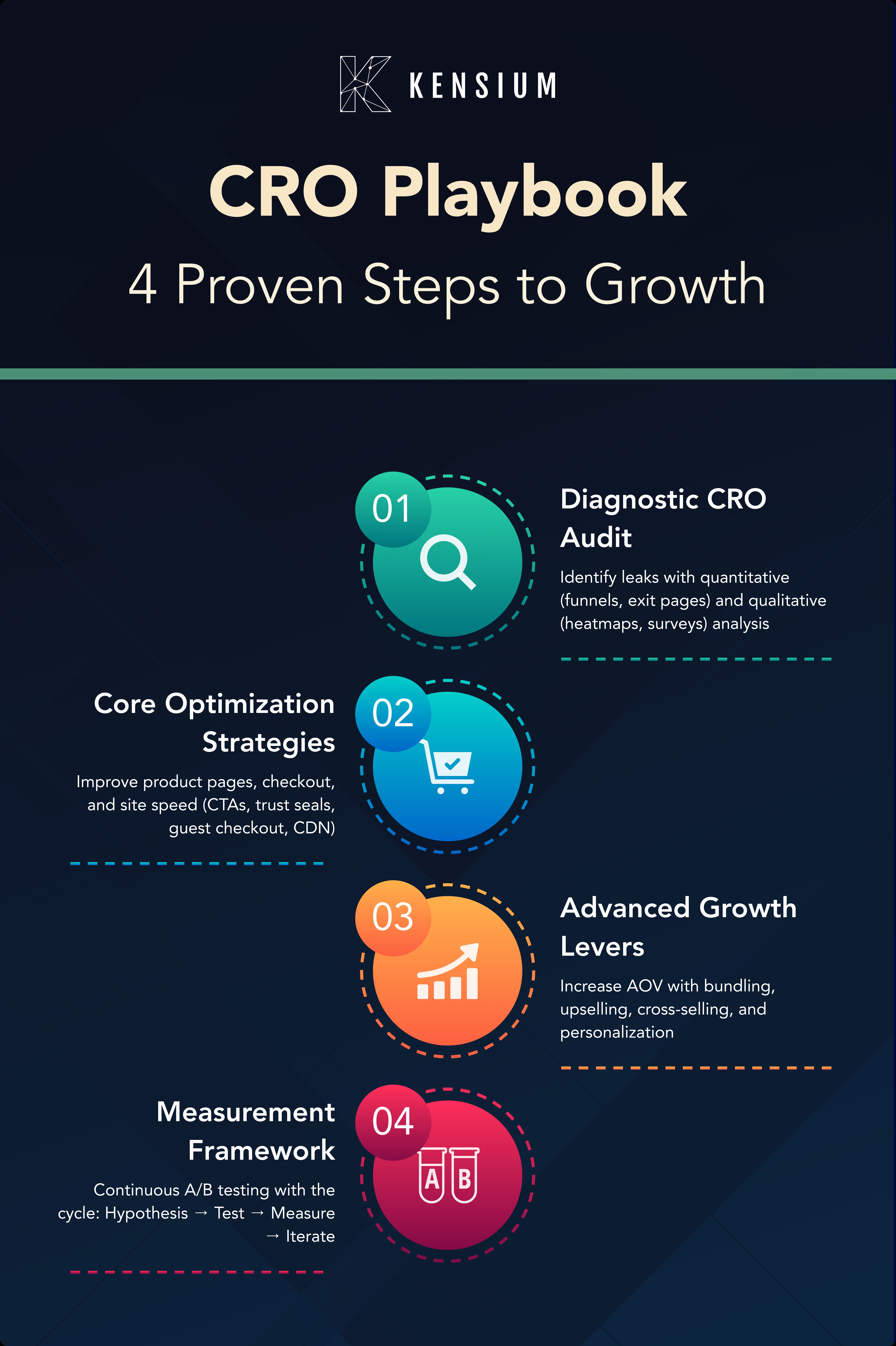
eCommerce CRO Checklist & Playbook for Higher Conversions
Ecommerce
E-Commerce Growth Playbook: Holiday Shopping 2025
Ecommerce
Integrating eCommerce Platforms with NetSuite
Ecommerce
B2B Ecommerce Customization Framework: How Kensium Maximizes ROI & Avoids Costly Pitfalls
Ecommerce
The 2025 B2B eCommerce Strategy Guide to Generative Engine Optimization
Ecommerce
Cost-Cutting Strategies for eCommerce Growth in 2025
Ecommerce
Behavioral Economics in E-commerce: 10 Proven Tactics That Convert
Artificial Intelligence (AI)
Ecommerce
10 AI Strategies That Actually Drive B2B Ecommerce Growth
Ecommerce
Is Your B2B Store Costing You Sales? UX Fixes D2C Brands Already Use
Ecommerce
Amazon Prime Day 2025: Record Sales, AI Chatbots, and Key Takeaways for Sellers
Ecommerce
News & Update
Shopify
Shopify Now Accepts USDC via Coinbase & Stripe | Powered by Kensium
Ecommerce
How E-commerce Brands Can Profit from US Tariffs: A Complete Guide
Ecommerce
Artificial Intelligence (AI)
Shopify
Unlocking the Power of Shopify Magic: AI-Driven Commerce for the Modern B2B Merchant
Ecommerce
Your Website Is Not a Brochure: 5 Upgrades That Convert B2B Traffic
Ecommerce
7 Signs Your B2B eCommerce Platform Is Dying
Ecommerce
Customized B2B eCommerce Solutions: Max ROI, Avoid Templates
Ecommerce
Retrieving data. Wait a few seconds and try to cut or copy again.
Ecommerce
Marketing
How Tech & Analytics Elevate eCommerce Marketing
Ecommerce
The Vanishing Product: Don’t Let End-of-Life Cost You Loyal Customers
Ecommerce
The Delivery Deadline Doom: Are Late Shipments Killing Your Brand?
Ecommerce
Click to Convert: Mastering CTAs for Maximum Ecommerce Success
Ecommerce
Shipping Snafus: Are Delivery Delays Ruining Your Reputation?
Ecommerce
The Abandoned Cart Cemetery: Revive Your Lost Sales
Ecommerce
Unlock the Potential of Your Adobe Commerce Store with Adobe App Builder
Ecommerce
The Holiday Hangover: Don't Let Lost Sales Haunt You All Year
Ecommerce
Is it Time to Refresh Your Company’s Website?
Ecommerce
Omnichannel Ecommerce B2B Sales in 2025: McKinsey Insights
Ecommerce
Benefits of Composable Commerce with Adobe Commerce
Ecommerce
Sustainable E-Commerce: How BigCommerce Supports Eco-Friendly Practices
Ecommerce
The Power of User-Generated Content: Boosting Engagement on Shopify Stores
Ecommerce
The Rise of Conversational Commerce: Revolutionizing Customer Support and Boosting Conversion Rates
Ecommerce
Upgrading to Magento 2.4.7 and PHP 8.3
Ecommerce
Managing Multi-Channel Inventory with Ease on Shopify
Ecommerce
Why Every Ecommerce Business Needs an ERP
Ecommerce
The Power of PunchOut Integrations: How They Revolutionize B2B Transactions
Ecommerce
How Shopify Merchants Can Dominate with Dynamic Pricing
Ecommerce
Unifying B2B and B2C Experiences with Headless Commerce: How Kensium Leads the Charge
Ecommerce
Solo but Strong: My Experience as the Only Woman in Kensium's Sales Team
Ecommerce
Unlocking Success: Essential Ecommerce Metrics Every Business Should Track
Ecommerce
Ecommerce Predictions in 2024: Reimagining Customer Experience with Hyper-Personalization
Ecommerce
Exploring the Potential of the Metaverse to Revolutionize Ecommerce Businesses
Ecommerce
Top 20 Best Practices to Protect your Magento Store from Cyber Attacks
Ecommerce
Top 8 Cyber Resilience Strategies to Safeguard your Magento Store
Ecommerce
Harnessing the Power of ChatGPT for Ecommerce Transformation
Ecommerce
Composable Commerce: Understanding its Significance
Ecommerce
Picking right Adobe Commerce (Magento) trends
Ecommerce
How ChatGPT Transforms Ecommerce & Cybersecurity
Ecommerce
How to Increase Ecommerce Average Order Value (AOV)?
Ecommerce
Navigating the New Adobe Commerce Lifecycle Policy with Kensium's Support
Ecommerce
BigCommerce Unveils Powerful Features for B2B Edition. How can Kensium Help you Leverage Them?
Ecommerce
Simplify Online Shopping with Quick Checkout by Bolt for Adobe
Ecommerce
Amazon Buy with Prime
Ecommerce
Headless vs Composable vs PWA
Ecommerce
Allparts - Support Case Study
Ecommerce
Boost Your E-commerce Sales with BigCommerce's BOPIS Feature
Ecommerce
Stay Ahead of the Game with Adobe Magento 2.4.6's Improved Functionality
Ecommerce
How To Choose The Right Ecommerce Platform
Ecommerce
How To Drive Ecommerce Platform Adoption
Ecommerce
Customized Ecommerce Platform Or Out-Of-The-Box - Which Is Better?
Ecommerce
What You Need To Know About Upgrading To Magento 2.4.4+
Ecommerce
BigCommerce Launches #BigHackathon And Kensium Rises To The Challenge
Ecommerce
How To Be Ready To Update Your Ecommerce Analytics to GA4
Ecommerce
Progressive Web Apps vs. Responsive Websites - Which Is Better?
Ecommerce
Finding The Right Ecommerce Technology Stack
Ecommerce
How To Beat Stress At Work And At Home
Ecommerce
How Developing A PWA Is Unique From Traditional Web Apps
Ecommerce
What You Need To Know About Progressive Web Apps
Ecommerce
Unite Omnichannel Sales Through BigCommerce Channel Manager
Ecommerce
The BigDev Bootcamp Is Can't-Miss For BigCommerce Developers
Ecommerce
Green Monday - The Greatest Shopping Day You've Never Heard Of
Ecommerce
Magento 1 End of Life: Extend with Nexcess Safe Harbor
Ecommerce
Home Science Tools Helps Your Kids Learn From Home While You Work From Home
Ecommerce
Dekra-Lite Creates Extraordinary Decor For Any Occasion
Ecommerce
ParkingZone Thinks Outside The Lines Of The Parking Industry
Ecommerce
Adobe Summit 2020 Breakout Session: How To Integrate Magento With External Systems
Ecommerce
Real Street Performance Turbocharges Average Order Value Using Adobe Commerce
Ecommerce
Why Personalization Has Become An ECommerce Necessity In 2020
Ecommerce
The Differences Between Magento Open Source And Magento Commerce
Ecommerce
Fight Back Against Fraud: How To Prepare For Holiday ECommerce Scams In 2020
Ecommerce
Resources For ECommerce Businesses During The COVID-19 Pandemic
Ecommerce
Magento 1 Reaches Its End-Of-Life This Month: Here Are Your Options
Ecommerce
The Exceptional Value Of Referral Marketing In ECommerce
Ecommerce
Deploy Magento 2 In As Little As 6-8 Weeks
Ecommerce
Ecommerce Options For Volusion Customers Post-Bankruptcy
Ecommerce
Build The Next Great Promotional Campaign Using Magento Discounts
Ecommerce
How To Plan For 2021 And Hit The Ground Running
Ecommerce
How Mobile-First Magento Layouts Benefit Businesses And Customers
Ecommerce
Increase Efficiency And Sales With Magento 2
Ecommerce
The Future Of Web Development: Progressive Web Apps
Ecommerce
Ecommerce Conversion Rate Optimization 2019: Best Practices
Ecommerce
Nucleus Research: Acumatica Shows No Signs Of Slowing
Ecommerce
6 Mobile Trends That Could Change Commerce Forever