Left-pointing white chevron arrow on a transparent background.
Back to article listing
Articles

Upgrading to Magento 2.4.7 and PHP 8.3

June 20, 2024
By-
Luke Medida

Introduction

In the ever-evolving world of ecommerce, staying ahead of technological advancements is crucial for success. Magento, a leading ecommerce platform, has been at the forefront of enabling businesses to create robust and scalable online stores. With the release of Magento 2.4.7, merchants now have the opportunity to leverage the power of PHP 8.3, bringing significant improvements to their online operations. At Kensium, we understand the importance of these upgrades and are here to guide you through the process to ensure your ecommerce store is secure, performant, and future-proof.


Why Upgrade from Older Versions?

Upgrading from older versions of Magento and PHP is not just a recommendation; it is a necessity. Older versions of Magento are susceptible to security vulnerabilities that can expose your business to potential threats. Additionally, older PHP versions have reached their end of life, meaning they no longer receive security updates or support. By not upgrading, merchants miss out on vital performance improvements, enhanced security features, and new functionalities that can drive business growth.


Benefits of Magento 2.4.7


Enhanced Security Features and Bug Fixes:

Security is paramount in ecommerce. Magento 2.4.7 includes numerous security enhancements and bug fixes that protect your store from potential vulnerabilities. These updates ensure that your customers' data is secure, fostering trust and loyalty.


Improved Performance and Scalability:

Magento 2.4.7 is optimized for better performance, enabling faster load times and smoother user experiences. This version is designed to handle increased traffic and larger product catalogs, making it an ideal choice for growing businesses.


Platform Stability and Future-Proofing:

Upgrading to Magento 2.4.7 ensures that your store is built on a stable and well-supported platform. This upgrade future-proofs your business, allowing you to stay ahead of technological advancements and industry standards.


Benefits of PHP 8.3


Faster Page Load Times and Improved User Experience:

PHP 8.3 introduces performance enhancements that significantly reduce page load times, providing a seamless and enjoyable shopping experience for your customers. Faster load times can lead to higher conversion rates and increased customer satisfaction.


Cleaner and More Readable Code:

PHP 8.3 brings new syntax features that make the codebase cleaner and more readable. This improvement simplifies development and maintenance, enabling your team to work more efficiently.


Enhanced Performance with JIT Compilation:

Just-In-Time (JIT) compilation in PHP 8.3 boosts performance by optimizing code execution. This feature enhances the overall speed and responsiveness of your ecommerce store.


Memory Management Improvements:

PHP 8.3 includes memory management enhancements that reduce resource consumption, allowing your server to handle more requests simultaneously. This efficiency translates to better performance during peak traffic periods.


Click here to Upgrade Magento 2.4.7 and PHP 8.3


Upgrade Considerations for Merchants    

Compatibility with Existing Extensions and Themes: Before upgrading, it is essential to ensure that your existing extensions and themes are compatible with Magento 2.4.7 and PHP 8.3. Kensium can assist in evaluating and updating your extensions to guarantee seamless integration.


Testing and Development Resources Required:

Upgrading requires thorough testing to identify and resolve potential issues. Our team at Kensium has the expertise and resources to conduct comprehensive testing, ensuring a smooth transition.


Choosing the Right Upgrade Path:

Deciding whether to take a direct or staged upgrade path depends on your specific business needs and current infrastructure. Kensium will help you determine the most suitable approach, minimizing downtime and disruption.


Magento Support and Upgrade Resources


Official Magento Upgrade Documentation:

Magento provides detailed documentation to guide you through the upgrade process. Leveraging these resources can simplify the transition and reduce potential challenges.


Magento Marketplace for Compatible Extensions and Themes:

The Magento Marketplace offers a wide range of extensions and themes compatible with the latest version. Kensium can help you find and integrate the best solutions for your business.


Partnering with a Qualified Magento Development Agency:

Collaborating with a qualified Magento development agency like Kensium ensures that your upgrade is handled professionally and efficiently. Our team of experts will provide the support and guidance needed to make the transition smooth and successful.


Conclusion

Upgrading to Magento 2.4.7 with PHP 8.3 support is a strategic move that offers numerous benefits, including enhanced security, improved performance, and future-proofing your ecommerce store. At Kensium, we are committed to helping ecommerce merchants harness the full potential of these upgrades. Our expertise and comprehensive support will ensure that your transition is seamless and that your business continues to thrive in the competitive ecommerce landscape.

Contact Kensium today to learn how we can assist you in upgrading to Magento 2.4.7 and PHP 8.3, setting your ecommerce store up for success and growth.

Share this on
Black Facebook social media logo icon on transparent background.Twitter bird logo in light blue on a transparent background.LinkedIn social media platform icon in blue and white.
Written by
Luke Medida
Luke Medida is a Senior Manager of Client Success at Kensium, with close to two decades of experience in IT services. He excels in building strong client relationships, program management and helping clients increase their revenues. In his role, Luke works with customers across multiple domains helping them with their digital transformation needs, translating their business goals into IT roadmaps.
Left-pointing chevron arrow icon.
Back to Blogs

Upgrading to Magento 2.4.7 and PHP 8.3

Ecommerce
Reading Time:
3
min
Published on:
December 1, 2025
Updated on:
December 1, 2025
Our Editorial Team
Luke Medida
Luke Medida
Store Security Weak? We Fortify with Adobe.

We integrate Adobe Commerce with Acumatica, NetSuite, and your entire tech stack - simplifying processes and enhancing real-time visibility.

Get Adobe Commerce Strategy
Share this article

Introduction

In the ever-evolving world of ecommerce, staying ahead of technological advancements is crucial for success. Magento, a leading ecommerce platform, has been at the forefront of enabling businesses to create robust and scalable online stores. With the release of Magento 2.4.7, merchants now have the opportunity to leverage the power of PHP 8.3, bringing significant improvements to their online operations. At Kensium, we understand the importance of these upgrades and are here to guide you through the process to ensure your ecommerce store is secure, performant, and future-proof.


Why Upgrade from Older Versions?

Upgrading from older versions of Magento and PHP is not just a recommendation; it is a necessity. Older versions of Magento are susceptible to security vulnerabilities that can expose your business to potential threats. Additionally, older PHP versions have reached their end of life, meaning they no longer receive security updates or support. By not upgrading, merchants miss out on vital performance improvements, enhanced security features, and new functionalities that can drive business growth.


Benefits of Magento 2.4.7


Enhanced Security Features and Bug Fixes:

Security is paramount in ecommerce. Magento 2.4.7 includes numerous security enhancements and bug fixes that protect your store from potential vulnerabilities. These updates ensure that your customers' data is secure, fostering trust and loyalty.


Improved Performance and Scalability:

Magento 2.4.7 is optimized for better performance, enabling faster load times and smoother user experiences. This version is designed to handle increased traffic and larger product catalogs, making it an ideal choice for growing businesses.


Platform Stability and Future-Proofing:

Upgrading to Magento 2.4.7 ensures that your store is built on a stable and well-supported platform. This upgrade future-proofs your business, allowing you to stay ahead of technological advancements and industry standards.


Benefits of PHP 8.3


Faster Page Load Times and Improved User Experience:

PHP 8.3 introduces performance enhancements that significantly reduce page load times, providing a seamless and enjoyable shopping experience for your customers. Faster load times can lead to higher conversion rates and increased customer satisfaction.


Cleaner and More Readable Code:

PHP 8.3 brings new syntax features that make the codebase cleaner and more readable. This improvement simplifies development and maintenance, enabling your team to work more efficiently.


Enhanced Performance with JIT Compilation:

Just-In-Time (JIT) compilation in PHP 8.3 boosts performance by optimizing code execution. This feature enhances the overall speed and responsiveness of your ecommerce store.


Memory Management Improvements:

PHP 8.3 includes memory management enhancements that reduce resource consumption, allowing your server to handle more requests simultaneously. This efficiency translates to better performance during peak traffic periods.


Click here to Upgrade Magento 2.4.7 and PHP 8.3


Upgrade Considerations for Merchants    

Compatibility with Existing Extensions and Themes: Before upgrading, it is essential to ensure that your existing extensions and themes are compatible with Magento 2.4.7 and PHP 8.3. Kensium can assist in evaluating and updating your extensions to guarantee seamless integration.


Testing and Development Resources Required:

Upgrading requires thorough testing to identify and resolve potential issues. Our team at Kensium has the expertise and resources to conduct comprehensive testing, ensuring a smooth transition.


Choosing the Right Upgrade Path:

Deciding whether to take a direct or staged upgrade path depends on your specific business needs and current infrastructure. Kensium will help you determine the most suitable approach, minimizing downtime and disruption.


Magento Support and Upgrade Resources


Official Magento Upgrade Documentation:

Magento provides detailed documentation to guide you through the upgrade process. Leveraging these resources can simplify the transition and reduce potential challenges.


Magento Marketplace for Compatible Extensions and Themes:

The Magento Marketplace offers a wide range of extensions and themes compatible with the latest version. Kensium can help you find and integrate the best solutions for your business.


Partnering with a Qualified Magento Development Agency:

Collaborating with a qualified Magento development agency like Kensium ensures that your upgrade is handled professionally and efficiently. Our team of experts will provide the support and guidance needed to make the transition smooth and successful.


Conclusion

Upgrading to Magento 2.4.7 with PHP 8.3 support is a strategic move that offers numerous benefits, including enhanced security, improved performance, and future-proofing your ecommerce store. At Kensium, we are committed to helping ecommerce merchants harness the full potential of these upgrades. Our expertise and comprehensive support will ensure that your transition is seamless and that your business continues to thrive in the competitive ecommerce landscape.

Contact Kensium today to learn how we can assist you in upgrading to Magento 2.4.7 and PHP 8.3, setting your ecommerce store up for success and growth.

Our Editorial Team
Luke Medida
Luke Medida

Explore Related Blogs

caret right
Ecommerce
Which Ecommerce Platform Is Right for Your Business?
Ecommerce
2026 Ecommerce Trends Forecast: What’s Next for B2B & B2C
Ecommerce
B2B Buyer Portals: Empowering U.S. Businesses in the Digital Age
Ecommerce
Here’s What IDC Found About BigCommerce B2B Edition
Shopify
ERP
Ecommerce
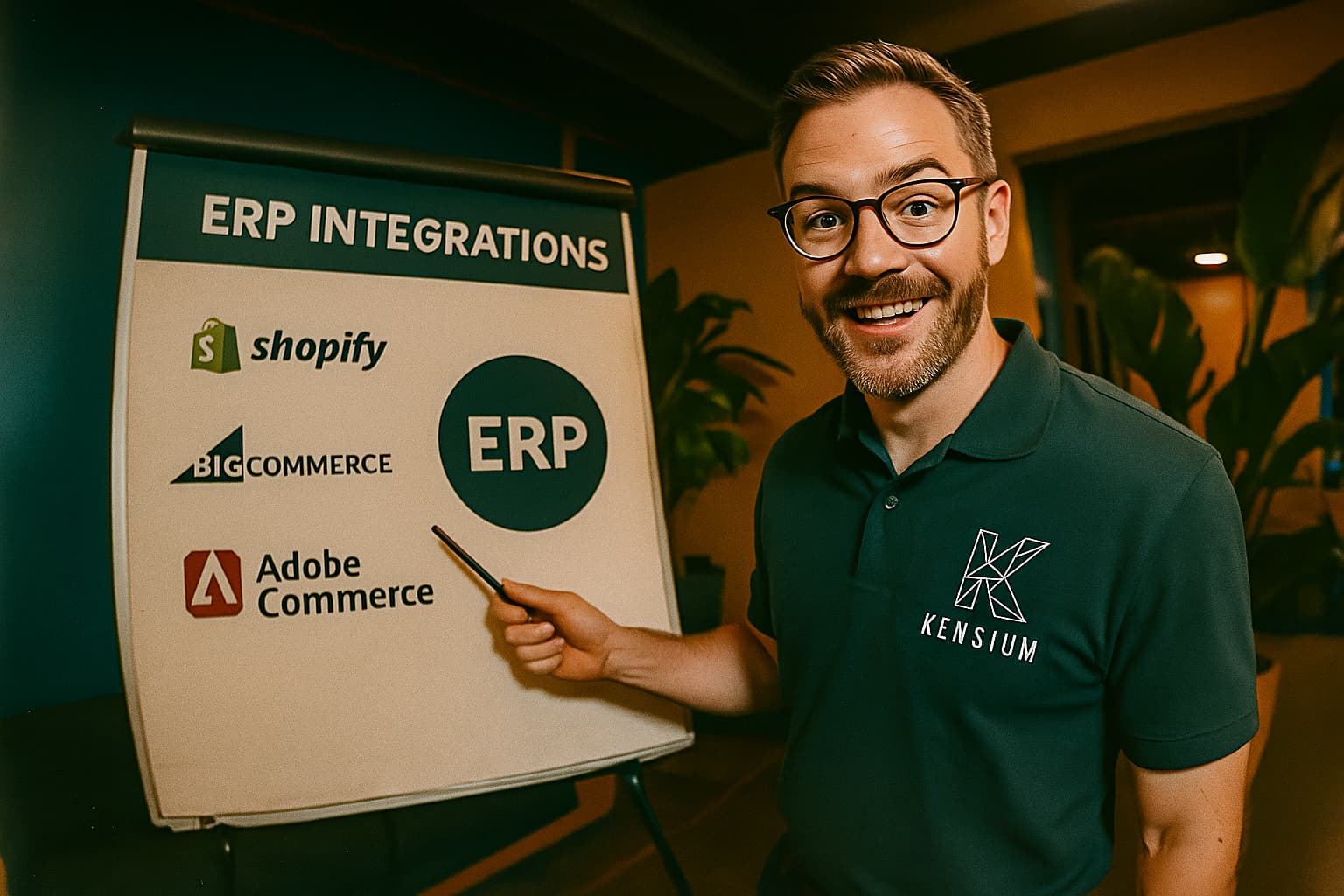
Shopify, Adobe Commerce & BigCommerce: ERP Integration Guide
Wholesale 2.0 – Next-Gen B2B Ecommerce Strategies on Shopify Plus by Kensium
ERP
Ecommerce
Boost B2B Sales with ERP–eCommerce Integration
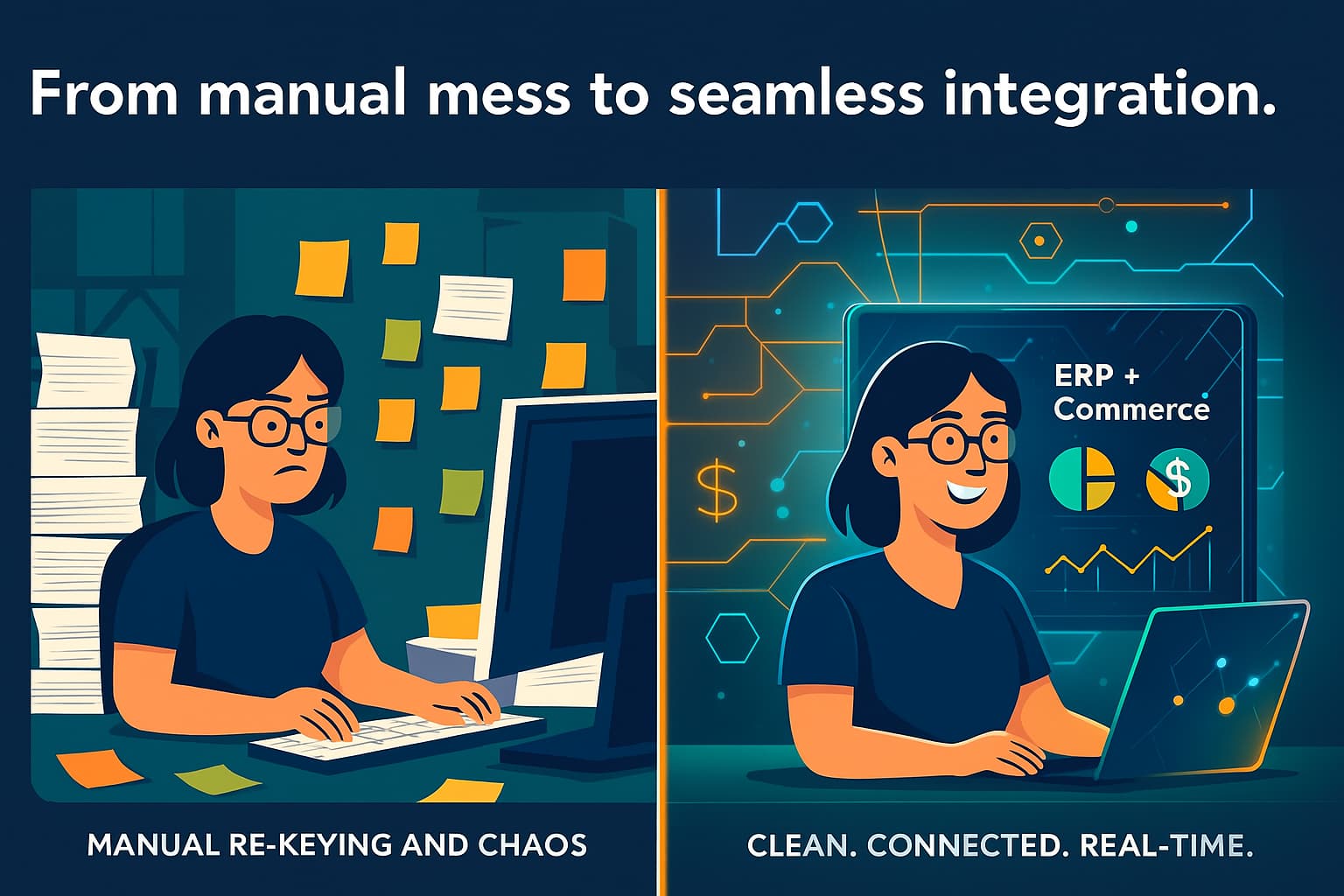
Seamless Workspace Transformation – Integrating ERP and Ecommerce for Efficiency
Ecommerce
ERP
Distribution Needs eCommerce ERP Integration: 5 Signs
Ecommerce Optimization Dashboard – Data-Driven Insights for Shopify Merchants
Ecommerce
Marketing
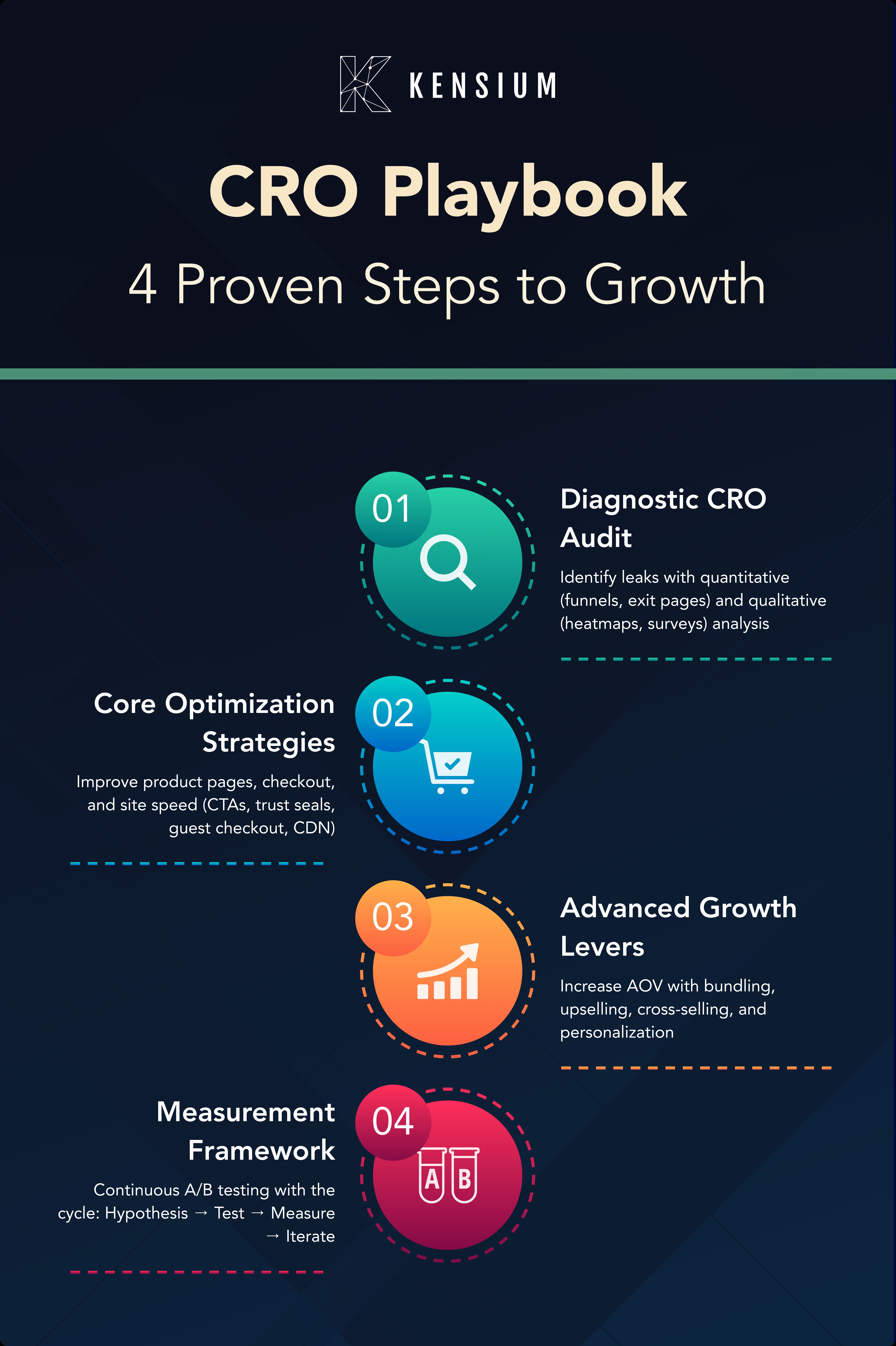
eCommerce CRO Checklist & Playbook for Higher Conversions
Ecommerce
E-Commerce Growth Playbook: Holiday Shopping 2025
Ecommerce
Integrating eCommerce Platforms with NetSuite
Ecommerce
B2B Ecommerce Customization Framework: How Kensium Maximizes ROI & Avoids Costly Pitfalls
Ecommerce
The 2025 B2B eCommerce Strategy Guide to Generative Engine Optimization
Ecommerce
Cost-Cutting Strategies for eCommerce Growth in 2025
Ecommerce
Behavioral Economics in E-commerce: 10 Proven Tactics That Convert
Artificial Intelligence (AI)
Ecommerce
10 AI Strategies That Actually Drive B2B Ecommerce Growth
Ecommerce
Is Your B2B Store Costing You Sales? UX Fixes D2C Brands Already Use
Ecommerce
Amazon Prime Day 2025: Record Sales, AI Chatbots, and Key Takeaways for Sellers
Ecommerce
News & Update
Shopify
Shopify Now Accepts USDC via Coinbase & Stripe | Powered by Kensium
Ecommerce
How E-commerce Brands Can Profit from US Tariffs: A Complete Guide
Ecommerce
Artificial Intelligence (AI)
Shopify
Unlocking the Power of Shopify Magic: AI-Driven Commerce for the Modern B2B Merchant
Ecommerce
Your Website Is Not a Brochure: 5 Upgrades That Convert B2B Traffic
Ecommerce
7 Signs Your B2B eCommerce Platform Is Dying
Ecommerce
Customized B2B eCommerce Solutions: Max ROI, Avoid Templates
Ecommerce
Retrieving data. Wait a few seconds and try to cut or copy again.
Ecommerce
Marketing
How Tech & Analytics Elevate eCommerce Marketing
Ecommerce
The Vanishing Product: Don’t Let End-of-Life Cost You Loyal Customers
Ecommerce
The Delivery Deadline Doom: Are Late Shipments Killing Your Brand?
Ecommerce
Click to Convert: Mastering CTAs for Maximum Ecommerce Success
Ecommerce
Shipping Snafus: Are Delivery Delays Ruining Your Reputation?
Ecommerce
The Abandoned Cart Cemetery: Revive Your Lost Sales
Ecommerce
Unlock the Potential of Your Adobe Commerce Store with Adobe App Builder
Ecommerce
The Holiday Hangover: Don't Let Lost Sales Haunt You All Year
Ecommerce
Is it Time to Refresh Your Company’s Website?
Ecommerce
Omnichannel Ecommerce B2B Sales in 2025: McKinsey Insights
Ecommerce
Benefits of Composable Commerce with Adobe Commerce
Ecommerce
Sustainable E-Commerce: How BigCommerce Supports Eco-Friendly Practices
Ecommerce
The Power of User-Generated Content: Boosting Engagement on Shopify Stores
Ecommerce
The Rise of Conversational Commerce: Revolutionizing Customer Support and Boosting Conversion Rates
Ecommerce
Upgrading to Magento 2.4.7 and PHP 8.3
Ecommerce
Managing Multi-Channel Inventory with Ease on Shopify
Ecommerce
Why Every Ecommerce Business Needs an ERP
Ecommerce
The Power of PunchOut Integrations: How They Revolutionize B2B Transactions
Ecommerce
How Shopify Merchants Can Dominate with Dynamic Pricing
Ecommerce
Unifying B2B and B2C Experiences with Headless Commerce: How Kensium Leads the Charge
Ecommerce
Solo but Strong: My Experience as the Only Woman in Kensium's Sales Team
Ecommerce
Unlocking Success: Essential Ecommerce Metrics Every Business Should Track
Ecommerce
Ecommerce Predictions in 2024: Reimagining Customer Experience with Hyper-Personalization
Ecommerce
Exploring the Potential of the Metaverse to Revolutionize Ecommerce Businesses
Ecommerce
Top 20 Best Practices to Protect your Magento Store from Cyber Attacks
Ecommerce
Top 8 Cyber Resilience Strategies to Safeguard your Magento Store
Ecommerce
Harnessing the Power of ChatGPT for Ecommerce Transformation
Ecommerce
Composable Commerce: Understanding its Significance
Ecommerce
Picking right Adobe Commerce (Magento) trends
Ecommerce
How ChatGPT Transforms Ecommerce & Cybersecurity
Ecommerce
How to Increase Ecommerce Average Order Value (AOV)?
Ecommerce
Navigating the New Adobe Commerce Lifecycle Policy with Kensium's Support
Ecommerce
BigCommerce Unveils Powerful Features for B2B Edition. How can Kensium Help you Leverage Them?
Ecommerce
Simplify Online Shopping with Quick Checkout by Bolt for Adobe
Ecommerce
Amazon Buy with Prime
Ecommerce
Headless vs Composable vs PWA
Ecommerce
Allparts - Support Case Study
Ecommerce
Boost Your E-commerce Sales with BigCommerce's BOPIS Feature
Ecommerce
Stay Ahead of the Game with Adobe Magento 2.4.6's Improved Functionality
Ecommerce
How To Choose The Right Ecommerce Platform
Ecommerce
How To Drive Ecommerce Platform Adoption
Ecommerce
Customized Ecommerce Platform Or Out-Of-The-Box - Which Is Better?
Ecommerce
What You Need To Know About Upgrading To Magento 2.4.4+
Ecommerce
BigCommerce Launches #BigHackathon And Kensium Rises To The Challenge
Ecommerce
How To Be Ready To Update Your Ecommerce Analytics to GA4
Ecommerce
Progressive Web Apps vs. Responsive Websites - Which Is Better?
Ecommerce
Finding The Right Ecommerce Technology Stack
Ecommerce
How To Beat Stress At Work And At Home
Ecommerce
How Developing A PWA Is Unique From Traditional Web Apps
Ecommerce
What You Need To Know About Progressive Web Apps
Ecommerce
Unite Omnichannel Sales Through BigCommerce Channel Manager
Ecommerce
The BigDev Bootcamp Is Can't-Miss For BigCommerce Developers
Ecommerce
Green Monday - The Greatest Shopping Day You've Never Heard Of
Ecommerce
Magento 1 End of Life: Extend with Nexcess Safe Harbor
Ecommerce
Home Science Tools Helps Your Kids Learn From Home While You Work From Home
Ecommerce
Dekra-Lite Creates Extraordinary Decor For Any Occasion
Ecommerce
ParkingZone Thinks Outside The Lines Of The Parking Industry
Ecommerce
Adobe Summit 2020 Breakout Session: How To Integrate Magento With External Systems
Ecommerce
Real Street Performance Turbocharges Average Order Value Using Adobe Commerce
Ecommerce
Why Personalization Has Become An ECommerce Necessity In 2020
Ecommerce
The Differences Between Magento Open Source And Magento Commerce
Ecommerce
Fight Back Against Fraud: How To Prepare For Holiday ECommerce Scams In 2020
Ecommerce
Resources For ECommerce Businesses During The COVID-19 Pandemic
Ecommerce
Magento 1 Reaches Its End-Of-Life This Month: Here Are Your Options
Ecommerce
The Exceptional Value Of Referral Marketing In ECommerce
Ecommerce
Deploy Magento 2 In As Little As 6-8 Weeks
Ecommerce
Ecommerce Options For Volusion Customers Post-Bankruptcy
Ecommerce
Build The Next Great Promotional Campaign Using Magento Discounts
Ecommerce
How To Plan For 2021 And Hit The Ground Running
Ecommerce
How Mobile-First Magento Layouts Benefit Businesses And Customers
Ecommerce
Increase Efficiency And Sales With Magento 2
Ecommerce
The Future Of Web Development: Progressive Web Apps
Ecommerce
Ecommerce Conversion Rate Optimization 2019: Best Practices
Ecommerce
Nucleus Research: Acumatica Shows No Signs Of Slowing
Ecommerce
6 Mobile Trends That Could Change Commerce Forever
Ecommerce
The Impact of the COVID-19 Coronavirus on eCommerce