Find What to Automate First Then Build It on Data You Can Trust.
Most AI projects stall on data, not on technology. Kensium starts with an assessment of your operations, ranks the automation opportunities by return, and builds the ones that pay off on a governed ERP foundation. You get a clear plan first, and you decide what happens next.
What Is AI and Automation Advisory?
You do not have a tool problem. You have manual work sitting on top of fragmented data.

In short
AI and Automation Advisory is Kensium’s assessment-led service for mid-market manufacturers and distributors. We find where manual work and fragmented data hold back the business, rank the automation opportunities by return, and build the ones that pay off on a governed ERP foundation.
Every vendor now offers an AI assistant. What decides whether it works is the layer underneath: whether products, customers, prices and inventory agree across your ERP, your commerce platform and the systems around them. We have spent more than a decade connecting those systems, which is why we advise on automation from the data up and not from the tool down.
Where Time and Margin Leak
The drag in a distribution or manufacturing business rarely shows up as one big problem.
It shows up as a dozen small ones, each absorbed by a good team that has learned to work around it. These are the places we look first.
Orders re-keyed between systems
Web, email, EDI and phone orders entered by hand into the ERP.
Pricing maintained in spreadsheets
Contract and customer pricing updated manually and late.
Status calls and emails
Customers and reps asking where an order is, because nothing answers for them.
Inventory buffers set by instinct
Reorder points that no longer match demand.
Quote and approval bottlenecks
Requests waiting in inboxes for a person to look at them.
Product data in many places
Catalog content that differs by channel and is fixed by hand.
Billing and reconciliation delays
Invoices, credits and adjustments that need manual matching.
Reports assembled by hand
Leaders waiting days for numbers that should be current.
What Changes
From people moving data between systems to people making decisions with it.
How it works now
Capable people doing connective work
Copying orders and customer details from one system to another
Checking several platforms to answer one customer question
Updating prices and availability by hand, channel by channel
Waiting on approvals that follow no clear rule
Building reports from exports at the end of the month
How it works after
Governed data, automation where it earns its place
Orders flow into the ERP once, validated against its rules
Customers and reps get answers from one trusted source
Price, product and inventory changes propagate automatically
Routine approvals run on rules, and exceptions go to a person
Reporting reads from governed data and stays current
What We Advise On
Six services, from first assessment to automation in production.
Most clients begin with the assessment. From there, the roadmap decides which of the others you need.
Readiness and Automation Assessment
Where you stand today across foundation, data governance and automation, and what the gaps cost you. Scored against the Commerce Readiness Framework.
See the assessmentAutomation Roadmapping
The manual workflows in commerce and operations that are candidates for automation, ranked by return and sequenced into a plan your team can execute.
AI Enablement for ERP-Led Environments
Most AI tools assume clean, governed data. We build that foundation first, then add AI capability on top of it.
Agentic Commerce Strategy
Preparing your catalog, pricing and availability so AI agents acting for buyers can find and transact with your business.
Workflow and Agent Build
Design, build and launch of the automations and AI agents the roadmap prioritizes, connected to your ERP and commerce platform.
Governance and Guardrails
Approval checkpoints, audit trails and monitoring, so automated decisions stay visible and your team stays in control.
The Assessment
Know what to fix, what to automate and what to leave alone before you spend on tools.
The assessment is a focused diagnostic of how your operations really run. It ends with a decision-ready plan, not a slide deck, and a live session to pressure-test it with you.
A ranked opportunity list
Each workflow we examine, with the estimated impact and effort, ordered by return.
Your readiness position
Where the business sits on the five-level Commerce Readiness Framework, and what that means for automation.
A 90-day roadmap
The first moves in order: quick wins, foundation fixes and larger builds, with owners and dependencies.
Data foundation gaps
The product, customer, pricing and inventory issues that would undermine automation if left in place.
Build, buy or skip
A plain recommendation for each opportunity, including the ones that are not worth automating yet.
Clear next steps, whoever delivers
Take it in-house, engage us for specific workflows, or revisit later. The choice is yours.
Three assessment depths, matched to the complexity of your operation.
Start small if you are not sure where the leak is. Scope, duration and terms are confirmed with you before work begins.
Quick Scan
Outcome: the number one bottleneck and three fast wins.
Short discovery call
Review of one or two workflows
Top three quick wins identified
Summary and next-step options
Readiness and Automation Assessment
Outcome: decide what to fix, skip and automate.
Discovery session with leadership
Process mapping of three to five workflows
Readiness score and data foundation review
Prioritized plan with estimated return
90-day roadmap and live review
Deep Dive
Outcome: cross-team clarity and an implementation plan.
Multiple discovery sessions
Stakeholder interviews across departments
Systems and integration landscape review
Detailed implementation plan and business case
Strategy follow-up with your leadership team
No obligation after the assessment.
Every engagement ends with a live review session, and you decide what happens next.
What we typically automate across a distribution or manufacturing business.
Every business is different, and the assessment decides which of these apply to you. These are the areas where we most often find a strong return.

1
Sales and Quoting
2
Order Management
3
Customer Service
4
Purchasing and Inventory
5
Finance and Billing
6
Product and Catalog Data
7
Marketing and Merchandising
8
Operations and Reporting
Built to Be Trusted
Automation and AI agents work best on a governed core.
We build automations on the same integration core we use for commerce, so there is one pattern to monitor and support. Your ERP remains the system of record.
Across every automation
Automations and AI agents
Governed integration core
One place to monitor what flows, when and why.
Systems of record and commerce
People stay in control
Approval checkpoints for decisions that carry financial or customer impact. Routine work runs on its own.
Right model for each task
We choose the AI approach that fits the job for accuracy, cost and longevity, and do not tie you to one vendor.
Built on your environment
Automations connect to the ERP and platforms you run today, without asking you to replace them.
Visible and auditable
Every automated action is logged, so your team can see what happened and step in at any point.
Prepare for What’s Next
Your next buyer may be software acting for a person.
AI shopping assistants and procurement agents are beginning to research, compare and reorder on behalf of buyers. They transact only with sellers whose data they can trust. That makes agentic commerce a data question before it is an AI question.
Structured catalog
Complete, consistent product attributes that a machine can read and compare.
Consistent pricing and availability
The same answer in every channel, because every channel reads from the ERP.
Governed customer and order data
Clean accounts, terms and history, so an agent can act on behalf of the right buyer.
This is the same foundation that powers internal automation, so one investment serves both.
Talk to an ExpertHow an Engagement Runs
From assessment to automation in production, in four stages.
Stage 1
Assess
Map the workflows, score readiness and rank the opportunities.
Stage 2
Design
Define the first automations, the data fixes they depend on, and the guardrails.
Stage 3
Build and integrate
Build on the governed core, test against real data and launch with your team.
Ongoing
Operate and improve
Monitor results, tune the automations and move to the next item on the roadmap.
What automation on a governed foundation delivers

A gated B2B quote-to-order portal for professional landscapers
Verified businesses register automatically, browse the catalog, and move through a consultative quote-to-order process, with customer-based pricing, order history, and quotes synced from CounterPoint. Automated ERP integration reduced manual data handling and improved accuracy.
Read Case Study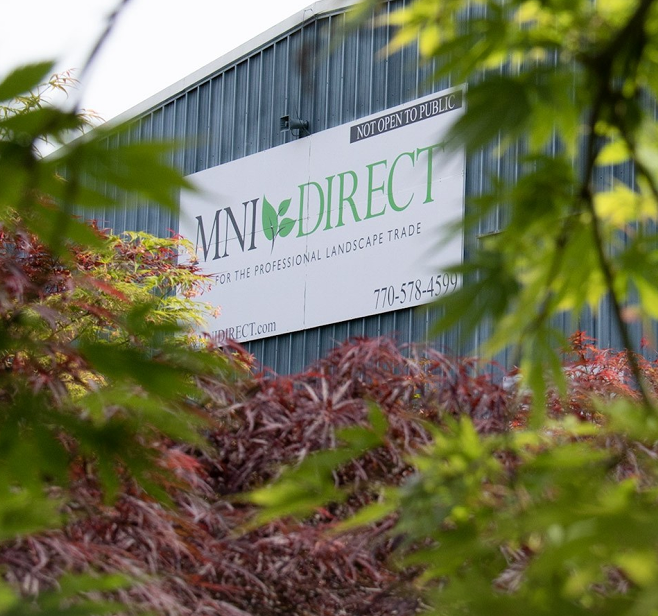

From Cart Timeouts to 110% Revenue Growth in Two Years
110%
100,000+
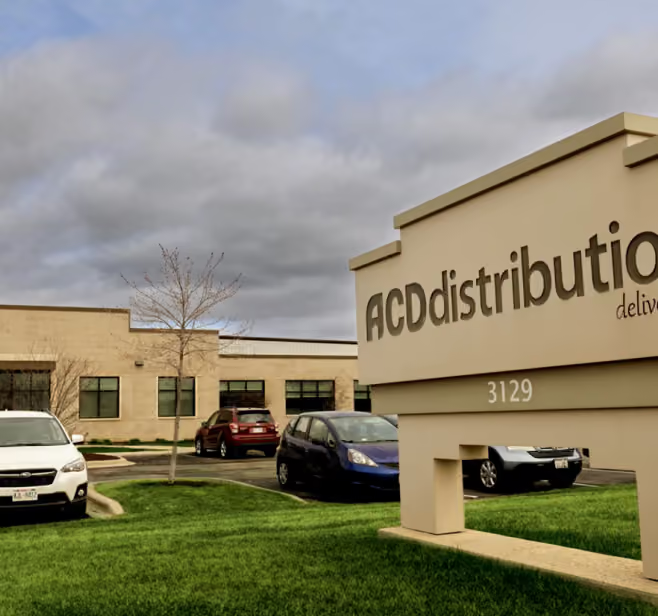

From WooCommerce to Shopify Plus on Acumatica in under three months
+54%
-18%
+12%
Every business starts somewhere. The best ones know where they stand.
The Commerce Readiness Framework places your business on a five-level scale, from Fragmented to Autonomous. Take the assessment to see your position and which automation and AI opportunities are realistic today.
Take the AssessmentWhy mid-market manufacturers and distributors choose Kensium for AI and automation
Data First, Tools Second
We fix the foundation that automation depends on, so results hold up in production.
An Objective Roadmap
Ranked by return, and open to work that others are better placed to deliver.
We Know Your ERP
More than a decade of ERP-Led Commerce™ across six ERPs, with integrations on OmnifiCX or Boomi.
Advice and Delivery Together
The team that assesses can also build, with 250+ experts in commerce, ERP and integration.
Questions We Hear Often
AI and Automation Advisory FAQ
What is AI and Automation Advisory?

Where should a manufacturer or distributor start with AI?
Do we need clean data before we automate?
Will you only recommend Kensium services?
Which systems do the automations connect to?
How do you keep people in control of automated decisions?
What is agentic commerce, and does it matter to a B2B business?
How long does an engagement take, and how is it priced?
How does this relate to the Commerce Readiness Framework?
Related services
Data Governance
Govern and standardize master data with OmnifiCX, the foundation for trusted automation.
ERP Integration
Connect commerce and business systems to your ERP with governed data.
Specialists on Demand
Individual specialists to extend your team for a defined period.
Commerce Implementation
Build the storefront on Shopify, BigCommerce or Adobe Commerce, ERP-led from day one.
The Kensium Perspective